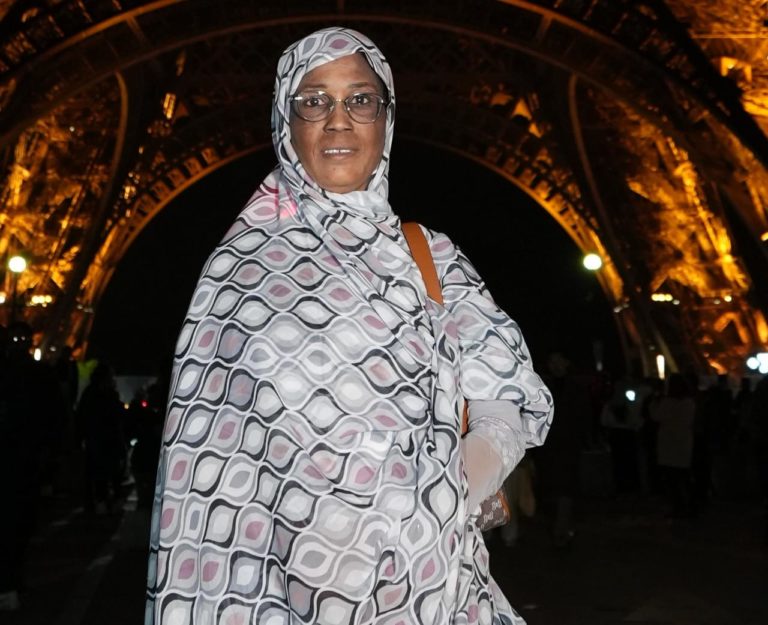

On July 28, 2015, Alya Abdulnoor was arrested at her home in Abu Dhabi by state security officials. Men and women in civilian clothes raided the house and confiscated several personal belongings before taking her to an unknown location. For the next four months, Abdulnoor was held at a secret detention centre in solitary confinement, and denied contact with the outside world. She was held in a very small, windowless cell, without bedding and toilets.
Between July and December 2015, Abdulnoor was subjected to torture and ill-treatment on several occasions. She was stripped of her clothes and threatened with having men brought to her cell. Surveillance cameras were also placed inside her cell. She was blindfolded and handcuffed, and her feet were chained. She was interrogated for hours on end, deprived of sleep, exposed to the screaming of other prisoners and other loud noises, and was insulted and humiliated systematically. During the interrogations, the investigator threatened to assault and kill her parents and sister, and she eventually broke down and was forced to sign written confessions without reading them beforehand.
In December 2015, she was brought before the Public Prosecutor. She was charged with “financing terrorism” and “contacting terrorists abroad”. Abdulnoor reported having provided financial assistance to several Syrian families in the UAE as well as war-affected women and children in Syria. She has denied any contact with terrorist groups, and the authorities have failed to provide evidence to support their charges. The written confessions extracted under duress were the sole piece of evidence taken into consideration to judge Alya Abdulnoor.
Her trial started on October 31, 2016. Nine hearings took place between October 2016 and May 2017. The lawyer she appointed to represent her in court abandoned the case after he was threatened and intimidated by the authorities. Thus, she was not granted the right to legal counsel and her judicial guarantees were violated systematically before and during the trial. On May 15, 2017, after a trial marred with irregularities, Abdulnoor was sentenced to 10 years in prison on the basis of the confessions she signed under duress.
After her appearance before the Public Prosecutor, Abdulnoor was transferred to Al Wathba prison in Abu Dhabi. She was not allowed to receive family visits until February 2016. Her family reported that they barely recognised her when they first saw her, six months after her disappearance. She had lost more than 10 kilogrammes, and her health had clearly deteriorated. At Al Wathba prison, the detention conditions remained very poor. She was held in a cold, unhygienic and overcrowded cell without bedding and blankets.
Alya Abdulnoor was diagnosed with breast cancer in 2008, and successfully treated in a specialised hospital in Germany. At the time of her arrest, she had been in remission for six years. A month after her arrest, Abdulnoor showed symptoms of a relapse. A medical examination at Al-Zayed military hospital confirmed a breast cancer recurrence. The state security officers refused to inform the victim’s family of her health condition and ordered the medical staff at the hospital to keep the information secret. Instead of receiving adequate medical treatment for her condition, she was only given strong painkillers and antidepressants.
About one year after Abdulnoor’s arrest, she underwent a medical examination and a biopsy, which found that the tumour had spread to other parts of her body. Due to the serious deterioration of her health, she was transferred to Mafraq hospital in November 2016. Family visits were denied systematically and information on her health was not communicated regularly. She continued to be denied the medical attention she required. Despite her health issues and repeated requests from her family, the authorities continued to refuse to transfer Alya to a specialised hospital or to release her on medical grounds.
On May 4, 2019, Alya passed away at Tawam hospital in Al Ain.